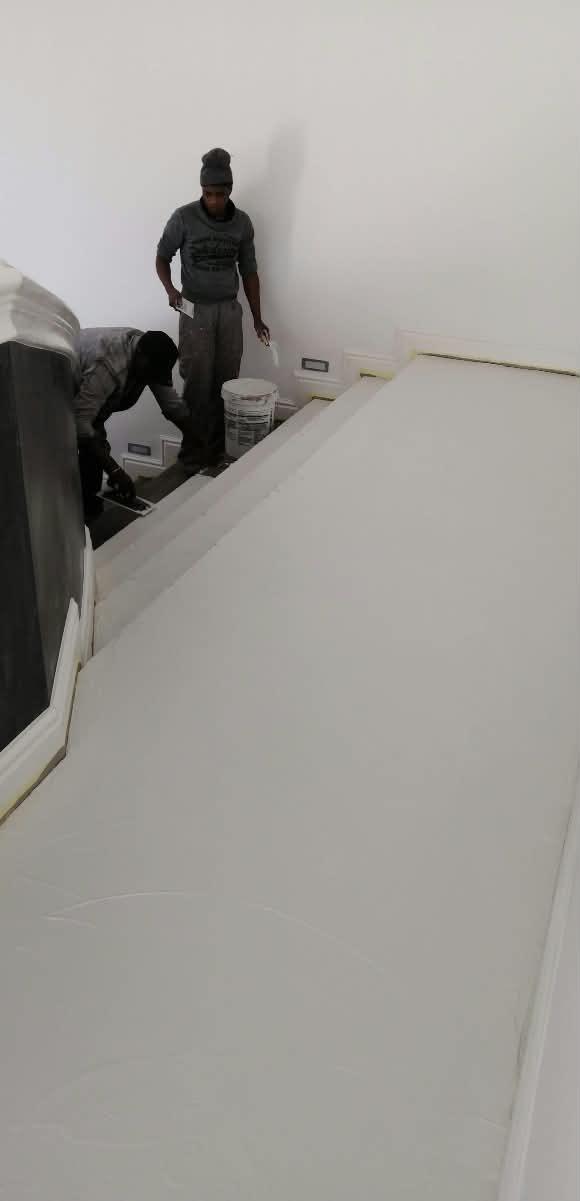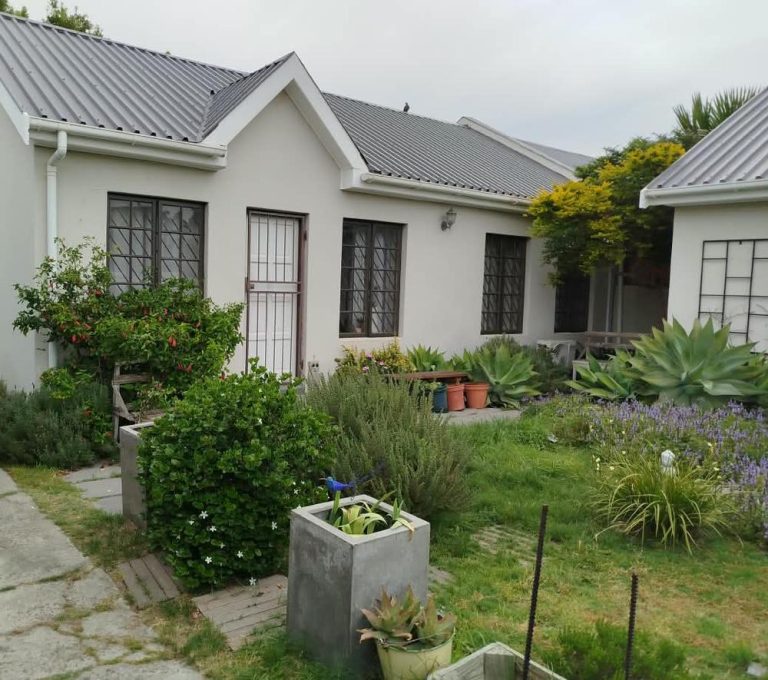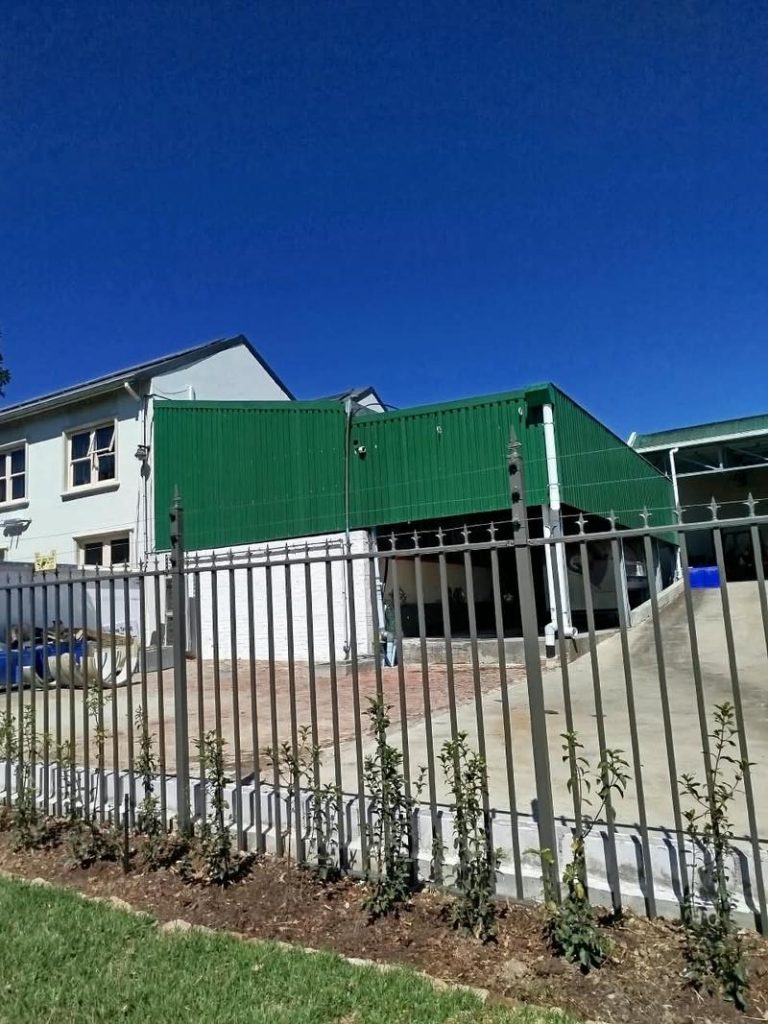
Painting a commercial or industrial building is a bigger job than painting a house. There is more surface, often more height, more types of material, and, most importantly, a business that needs to keep running while the work happens. Good planning makes the difference between a smooth project and weeks of disruption. This guide covers what to think about before commercial painting in Cape Town, from offices and shops to warehouses and farm buildings.
Why commercial painting matters
A building’s exterior is part of your brand. Faded, peeling walls and rusty roof sheeting tell customers, tenants and staff that the place is not looked after. Fresh paint does the opposite. It also protects the building: paint is the first line of defence against moisture, sun and corrosion, and keeping it in good condition costs far less than repairing the damage when it fails.
1. Know what surfaces you have
Commercial and industrial buildings often mix several materials, and each needs its own preparation and products:
- Plastered and face-brick walls, which may have cracks, damp or chalky old paint.
- Metal cladding and roof sheeting, which can rust and needs the right primer to stop corrosion spreading.
- Steel doors, frames and structures, which may need rust treatment.
- Concrete floors in warehouses and workshops, which may be better suited to an epoxy coating than paint.
A proper inspection before quoting means the quote covers what the building actually needs, not just a coat of colour.
2. Plan around your operations
This is the biggest difference between commercial and residential work. Think about:
- Trading and working hours. Can work happen while you trade, or does some of it need to be done after hours or on Saturdays?
- Phasing. Large buildings can be done section by section so only part of the site is affected at a time.
- Access for customers and deliveries. Entrances, loading bays and parking may need to stay open, so we plan around them.
- Staff and safety. Ladders, scaffolding and wet paint need clear signage and safe walkways.
- Odour. For interiors, low-odour products and good ventilation keep staff comfortable.
Tell us how your business runs and we will build the schedule around it.
3. Plan around the weather
Cape Town’s weather is a real factor for exterior work. Paint needs dry surfaces and reasonable temperatures to cure properly. Winter rain can stop exterior work for days, and the south-easter in summer can make it hard to work at height and blows dust onto wet paint. Interior work is less affected. If you have an exterior project, booking it for the drier months, or building in some flexibility, makes for a better result.
4. Roofs and cladding
Roof sheeting on warehouses, factories and farm buildings takes the full force of the sun. Over time the coating breaks down and rust starts at fixings and overlaps. Repainting a roof before rust takes hold extends its life considerably. The process involves cleaning, treating any rust, priming bare metal and applying a roof coating designed for the job. A freshly painted dark grey roof, like the farm building on our painting page, also makes the whole property look sharper.
5. Choose colours with purpose
- Brand colours on fascias, entrances and feature panels help customers find you.
- Light colours on large walls and roofs reflect heat, which can help keep the building cooler.
- Mid-tones on lower walls and around loading areas hide scuffs and dirt.
- Safety colours for line marking, bollards and hazard areas in industrial spaces.
6. Don’t forget the boundary
A smart building behind a tired boundary wall still looks tired. Boundary walls, gates and palisade fencing are often the first thing people see from the road, so it is worth including them in the project. Our guide to boundary wall preparation explains why prep is everything for walls exposed to Cape Town weather.
7. Make the inside count too
Commercial interiors benefit from more than fresh paint. A feature wall in a reception, boardroom or showroom gives visitors something to remember, and a hard-wearing granite-look finish handles busy areas well. Workshops and showrooms often pair painted walls with a seamless epoxy floor.
What to look for in a commercial painting contractor
- A clear quote that lists preparation, primers and topcoats for each surface.
- Willingness to plan around your operations.
- Experience with the materials on your building, from plaster to roof sheeting.
- A guarantee on the work. Ours is 5 years.
A simple planning checklist
Before you ask for quotes, it helps to jot down a few things: which buildings or walls are included, roughly how big they are, what they are made of, when the business is open, where contractors can park and offload, and any deadlines such as an opening, an inspection or a new tenant moving in. Having this ready means quotes come back faster and are easier to compare, and it gives your painting contractor what they need to plan the work around you rather than the other way round.
Get a free commercial painting quote
Inslit has been painting offices, warehouses, retail and farm buildings around Cape Town since 2012. WhatsApp Shelton photos of the building, its location and what needs doing, and we will come back to you with a free quote, or arrange a site visit for larger jobs. See our painting services or get in touch through the contact page.